

Anal cancer treatment can cause side effects that may sometimes be uncomfortable and difficult to manage. While treatment for anal cancer has come a long way, procedures can sometimes be invasive, causing adverse reactions. In this article, we look at the common side effects from the various treatment options for anal cancer, which should help you to better understand what to expect.
Radiation

For stage I-III anal cancer, chemotherapy and radiation therapy is the standard of care. Radiation therapy can also be used for metastatic treatment or for palliative treatment. While it is effective in targeting cancer cells, it can also affect healthy tissues, leading to side effects. These may vary from person to person depending on factors such as dosage and overall health.
Fatigue
Radiation therapy can cause persistent tiredness, which may last for weeks after treatment. This occurs because the body uses extra energy to heal. Resting, engaging in light activities, and maintaining a balanced diet can help manage fatigue.
Diarrhea
One of the most common side effects of radiation for anal cancer is diarrhea. Radiation can irritate the digestive system, leading to frequent loose stools. Staying hydrated, eating low-fiber foods, eating small frequent meals, and using prescribed anti-diarrhea medications can help control symptoms. To alleviate local discomfort when wiping, you can use wet wipes or a squeeze bottle, or use a sitz bath.
Frequent Bowel Movements
Radiation can inflame the bowel, leading to an increased urge to pass stools. This may be accompanied by urgency and discomfort. A food diary can help identify trigger foods, and a dietitian may provide tailored advice on dietary adjustments.
Skin Soreness
External radiation therapy can cause irritation to the skin in the treated area, leading to redness, dryness, or blistering. Wearing loose clothing, avoiding harsh soaps and extreme temperatures, and applying recommended creams can help manage skin reactions. Inform your healthcare team if symptoms worsen. Avoid sun exposure to the treated area when undergoing radiation therapy. After radiation therapy is complete, it is important to wear sunscreen of SPF 30 or higher on the treated area when exposed to the sun.
Irritation of the Bladder
Radiation can cause inflammation in the bladder, a condition known as radiation cystitis. This may result in increased frequency of urination, discomfort, or even blood in the urine. Drinking plenty of water and avoiding caffeine and alcohol can help ease symptoms. It is important to discuss your symptoms with your medical provider.
Changes in Libido
Radiation therapy may lead to a decrease in libido due to fatigue, discomfort, or emotional stress. Some individuals also experience vaginal dryness or narrowing (stenosis). Using prescribed lubricants or dilators can help alleviate discomfort. Open communication with your partner and medical team can provide further guidance. It is recommended to discuss these prior to undergoing treatment.
Fertility Changes
Radiation therapy to the pelvis can lead to fertility changes in both males and females. You can have a conversation with your provider about fertility goals before stating treatment to discuss options.
Damage to Hip Bones
Radiation therapy can weaken bones over time, increasing the risk of fractures, particularly in the hip area. Bone density scans can help monitor changes, and calcium and vitamin D supplements, along with weight-bearing exercises, may help maintain bone strength.
Nausea and Vomiting
Radiation therapy to the abdomen can cause nausea and vomiting. Eating small frequent meals, drinking fluids and taking a prescribed medication can help. Keeping a food journal can also help identify triggers.
Vitamin B12 Deficiency
Radiation treatment may impact the absorption of vitamin B12, leading to deficiency. Symptoms include fatigue, weakness, and nerve problems. Regular blood tests can monitor B12 levels, and doctors may recommend supplements to correct deficiencies. However, it is important to consult with your healthcare team rather than taking supplements without medical supervision.
Chemotherapy
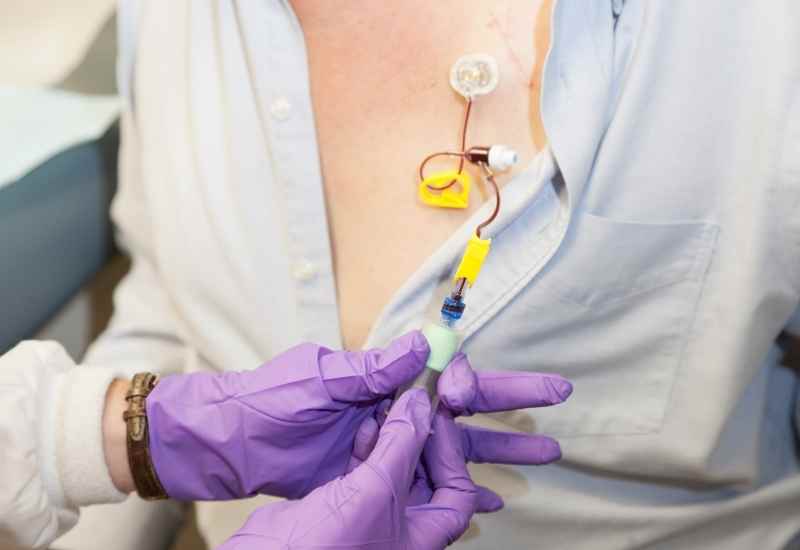
Chemotherapy works by targeting and destroying cancer cells, but it can also affect healthy cells, leading to a range of side effects.
Fatigue
Chemotherapy often causes significant tiredness, which may be due to a drop in red blood cells (anemia) or the body’s response to the treatment. Ensuring proper rest, a nutritious diet, and light physical activity may help alleviate fatigue.
Nausea and Vomiting
Nausea and vomiting are common side effects of chemotherapy for anal cancer. Anti-nausea medications can help manage these symptoms. Eating small, frequent meals and staying hydrated can also be beneficial.
Diarrhea
Chemotherapy can irritate the digestive system, leading to diarrhea. Eating bland foods, staying hydrated, and taking prescribed medications can help manage symptoms. If diarrhea is severe, consult your doctor.
Skin Soreness
Chemotherapy can cause skin dryness, redness, and peeling. Keeping the skin moisturised, avoiding direct sun exposure, and extreme temperatures. Using mild skincare products can help minimise irritation.
Anemia
A reduction in red blood cells can lead to anemia, which may cause weakness, dizziness, and breathlessness. Eating iron-rich foods can help maintain red blood cell levels. Always discuss your symptoms with your provider. Your provider may recommend additional treatments if necessary.
Hair Loss
Some chemotherapy drugs cause hair thinning or complete hair loss. Hair usually begins to regrow after treatment ends. Cooling caps may help reduce hair loss in some cases.
Infections
Chemotherapy can weaken the immune system, making patients more susceptible to infections. Practicing good hygiene, avoiding large crowds, and seeking medical advice at the first sign of illness can help reduce the risk.
Nosebleeds or Bleeding Gums
Some chemotherapy drugs affect blood clotting, leading to increased bleeding. Using a soft toothbrush and avoiding activities that may cause injury can help minimize the risk of excessive bleeding.
Bruising
Low platelet counts from chemotherapy can make bruising more likely. If you notice excessive bruising, inform your healthcare team for further evaluation.
Loss of Appetite
Changes in taste and nausea can reduce appetite. Eating small, frequent meals and drinking nourishing fluids can help maintain energy levels.
Problems with Sleeping
Many patients undergoing chemotherapy experience sleep disturbances. Creating a relaxing bedtime routine and avoiding caffeine in the evening can improve sleep quality.
Short-Term Memory Loss (Chemo Brain)
Some people experience forgetfulness or difficulty concentrating, often called “chemo brain.” Keeping a journal, setting reminders, and engaging in brain-stimulating activities can help manage this symptom.
Stress
Cancer treatment can be physically and emotionally challenging. Support groups, counselling, and relaxation techniques such as meditation may help cope with stress and anxiety.
Looking for someone to talk to about your anal cancer diagnosis? We are here to help.
Surgery

Surgery for anal cancer may be recommended for recurrent anal cancer. Surgery comes with potential side effects.
Fatigue
Post-surgical fatigue is common as the body recovers from the procedure. Gradually increasing activity levels can help rebuild strength and improve energy.
Loss of Appetite
Surgery can affect digestion and appetite. Eating small, nutrient-rich meals can aid recovery.
Swelling
Swelling around the surgical site is common and should improve over time. Keeping the affected area elevated and following medical advice can help reduce swelling.
Infection
Any surgical procedure carries a risk of infection. Keeping the wound clean and following post-operative care instructions is essential in preventing complications.
Bruising
Bruising around the incision site is normal and usually fades as healing progresses.
Drainage
Some surgeries involve the placement of drains to remove excess fluid. Your medical team will monitor and remove these when appropriate.
Bleeding
Minor bleeding after surgery is expected, but excessive bleeding should be reported to a doctor immediately.
Managing The Side Effects
There are various ways to alleviate discomfort caused by anal cancer treatment. Natural remedies, such as ginger tea for nausea and dietary changes for bowel issues, may help. Relaxation techniques can assist in stress management. Always consult your healthcare provider for the best symptom management strategies.
Understanding the side effects of anal cancer treatment can help patients feel more prepared and empowered throughout their journey. By recognizing symptoms early and seeking appropriate interventions, many side effects can be effectively managed.
Stay hydrated and adapt your diet
Eating small, frequent meals, choosing low-fiber foods during diarrhea or high-fiber foods for constipation, and drinking plenty of fluids (water, broth, herbal tea).
Manage fatigue through rest and gentle movement
Experts often recommend balancing rest with light exercise (walking, yoga), pacing yourself by breaking tasks into smaller steps, and asking family/friends for help with daily tasks.
Care for your skin in the treated area
Wearing loose clothing, avoiding harsh soaps, applying recommended creams, and protecting the skin from sun exposure (SPF 30+) helps manage radiation-related skin soreness.
Use sitz baths and gentle hygiene aids for anal discomfort
Warm sitz baths, wet wipes, or a squeeze bottle can relieve local discomfort, particularly during and after radiation.
Seek pelvic floor physical therapy
Pelvic floor PT is a key recommendation for addressing bowel dysfunction, sexual side effects, and anal stenosis.
Address sexual side effects proactively
Discuss fertility goals and sexual health concerns before treatment begins, and ask providers about lubricants, dilators, and counseling.
Protect your mental and emotional health
Support groups (including our own Peer-to-Peer Support Program), counseling, and stress-reduction techniques like meditation and deep breathing can support you greatly during treatment and recovery..
Communicate openly with your healthcare team
Report new or worsening symptoms early, attend all follow-up appointments, and seek a second opinion if concerns aren’t being addressed.
Watch for signs requiring urgent attention
Fever above 101°F, severe unmanaged pain, significant bleeding, or difficulty breathing warrant immediate medical contact.
Keep a food and symptom journal
Tracking trigger foods and symptoms helps identify patterns for bowel issues and nausea, and supports more productive conversations with providers.
In this webinar, a panel of experts discussed ways in which you can manage the side effects of your anal cancer treatment.
FAQs
What can I do to manage nausea and vomiting caused by chemotherapy?
- Medications: Your doctor can prescribe anti-nausea medications, or “antiemetics”.
- Diet: Eat small, frequent meals and avoid greasy, spicy, or very sweet foods. Cold or room-temperature foods may be more tolerable.
- Hydration: Drink clear liquids such as water, broth, or herbal tea throughout the day to stay hydrated.
- Ginger and Peppermint: These are natural remedies that can help alleviate nausea for some people. You can use ginger chews or make ginger or peppermint tea, for example.
- Relaxation Techniques: Practices such as deep breathing, meditation, or acupuncture may sometimes provide relief.
How can I alleviate fatigue during and after anal cancer treatment?
- Rest: Ensure you get plenty of sleep and build in rest periods throughout the day.
- Light Exercise: Engage in light physical activities like walking or yoga to boost energy levels. Don’t overexert yourself.
- Nutrition: Maintain a balanced diet with plenty of fruits, vegetables, and proteins.
- Hydration: Drink plenty of fluids to stay hydrated. Water, broth, and herbal tea are all excellent choices.
- Pace yourself: Break tasks into smaller, manageable steps and rest between activities.
- Support: Ask family and friends to help with with daily tasks to conserve your energy.
What are the potential sexual side effects of anal cancer treatment?
- Pain or Discomfort: Treatment can cause pain during intercourse due to radiation or surgery.
- Reduced Libido: Fatigue, stress, and hormonal changes can decrease sexual desire.
- Erectile Dysfunction: Men may experience difficulty achieving or maintaining an erection.
- Vaginal Dryness: and Stenosis Women might experience vaginal dryness or narrowing, making intercourse uncomfortable.
- Anal Stenosis: Men and women may experience narrowing of the anal canal, making penetration painful.
Discuss these issues with your healthcare provider, who may recommend medications, lubricants, dilators, or counseling to help manage sexual side effects. Pelvic floor physical therapy can also be very helpful in mitigating these issues.
What are the possible long-term side effects of anal cancer treatment?
- Bowel Dysfunction: Chronic diarrhea, constipation, or incontinence.
- Sexual Dysfunction: Ongoing issues with sexual health and function.
- Lymphedema: Swelling in the legs or groin due to lymph node removal or damage.
- Neuropathy: Numbness or tingling in the hands and feet caused by chemotherapy.
- Chronic Pain: Persistent pain in the treated area.
Regular follow-up with your healthcare team can help manage these long-term effects.
How can I manage pain and discomfort during anal cancer treatment?
- Medications: Over-the-counter pain relievers or prescription medications as advised by your doctor.
- Topical Treatments: Creams or ointments to soothe skin irritation from radiation.
- Sitz Baths: Warm sitz baths can relieve anal discomfort and promote healing.
- Heat/Cold Therapy: Applying heat or cold packs to the affected area can reduce pain and inflammation.
- Relaxation Techniques: Practices such as meditation, deep breathing, or massage therapy.
Are there dietary changes I should make to help manage treatment side effects?
- Small, Frequent Meals: Eat smaller meals more often to help manage nausea and maintain energy.
- High-Fiber Foods: To prevent constipation, include fruits, vegetables, and whole grains in your diet.
- Low-Fiber Foods: If experiencing diarrhea, opt for low-fiber foods like white rice, bananas, and applesauce.
- Hydration: Drink plenty of fluids to stay hydrated.
- Balanced Diet: Ensure you’re getting enough vitamins and nutrients to support your overall health.
What can be done to prevent or treat infections during anal cancer treatment?
- Hygiene: Maintain good personal hygiene and wash hands frequently. Ask anyone who is visiting you to wash their hands when arriving, and to mask if possible.
- Avoid Crowds: Stay away from large crowds and people who are sick.
- Monitor: Keep an eye on any cuts, sores, or changes in your health and report them to your doctor.
- Medications: Your doctor may prescribe prophylactic antibiotics or antiviral medications if your immune system is weakened.
- Vaccinations: Stay up-to-date with vaccinations as recommended by your healthcare provider.
How can I address the emotional and psychological side effects of anal cancer treatment?
- Counseling: Seek support from a therapist or counselor experienced in dealing with cancer patients.
- Support Groups: Join support groups to connect with others going through similar experiences. We have an excellent peer support program that matches thrivers and caregivers with volunteers who share their experience.
- Stress-Reduction Techniques: Practice meditation, yoga, or deep breathing exercises.
- Stay Connected: Maintain relationships with family and friends for emotional support.
- Medication: If necessary, your doctor can prescribe medication to help manage anxiety or depression.
What should I do if I experience severe or unexpected side effects from treatment?
- Contact Your Doctor: Immediately inform your healthcare provider about the symptoms you are experiencing.
- Emergency Care: Seek emergency medical attention if symptoms are life-threatening, such as severe pain, high fever, difficulty breathing, or significant bleeding.
How can I maintain my overall health and well-being during anal cancer treatment?
- Healthy Diet: Eat a balanced diet rich in nutrients.
- Stay Active: Engage in regular, gentle exercise to maintain strength and energy.
- Rest: Ensure adequate sleep and take breaks when needed.
- Hydration: Drink plenty of fluids.
- Mental Health: Practice stress-reduction techniques and seek emotional support.
- Follow Medical Advice: Adhere to your treatment plan and attend all follow-up appointments.
What are the signs that I should seek immediate medical attention for treatment side effects?
- Severe Pain: Unmanageable pain that doesn’t respond to prescribed medications.
- High Fever: Fever above 101°F (38.3°C).
- Breathing Issues: Shortness of breath or difficulty breathing.
- Severe Bleeding: Significant bleeding from the treatment site or elsewhere.
- Sudden Swelling: Rapid swelling, especially in the legs or groin.
- Chest Pain: Any chest pain should be evaluated promptly.
- Severe Diarrhea or Vomiting: Persistent symptoms that lead to dehydration.