
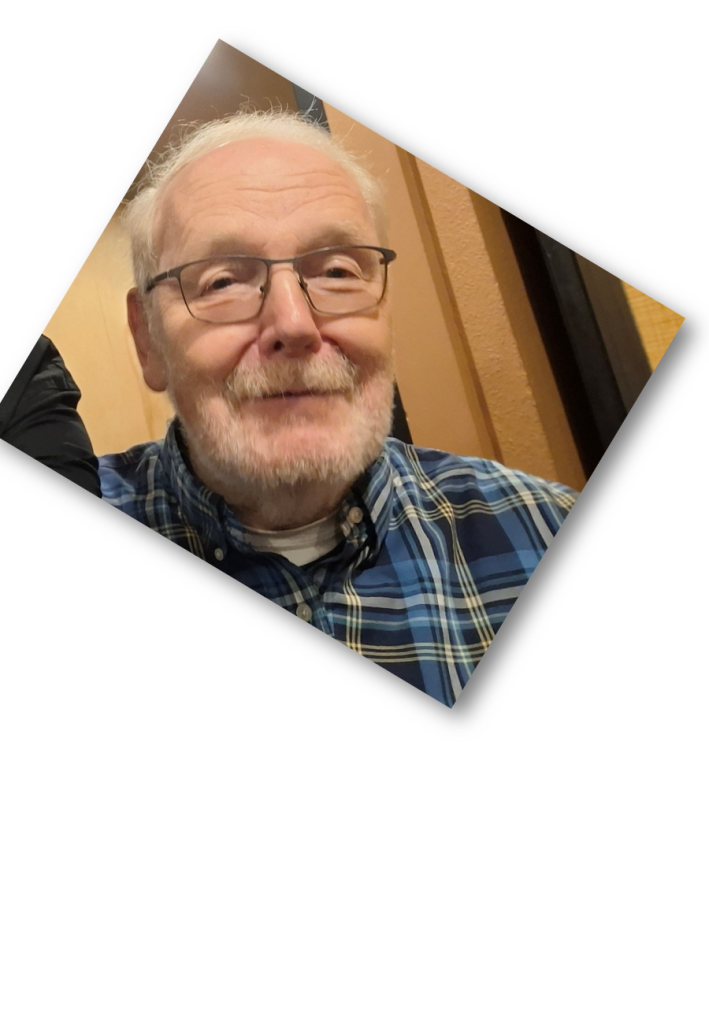
When my wife and I retired from the UK to southern France in 2018, we imagined a peaceful new chapter—slow mornings, sunshine, and time to enjoy life. Cancer was something I knew ran in my family, but nothing prepares you for the moment when it becomes your reality.
In February 2023, after what was expected to be a simple procedure for a presumed haemorrhoid, I was told I had stage 3 anal cancer. The moment the word cancer was spoken, everything else faded. I felt shock, fear, and a kind of numbness that made it impossible to take in anything more. Hospitals have always made me anxious, and suddenly I was facing a world of appointments, treatments, and decisions I had never imagined.
The days following my diagnosis were among the hardest. Much of the information was complicated, and often delivered in French, which added another layer of stress. Having my wife by my side at every appointment made all the difference. She prepared questions, took notes, and helped ensure that nothing important was missed. I leaned on her more than I can express.
Treatment began quickly after meeting the oncology team at Carcassonne Hospital. Within four weeks I was starting radiotherapy—35 sessions over seven weeks—alongside chemotherapy for 96 hours in each of the first and fifth weeks. The chemotherapy was administered through a portable pump, which allowed me to stay at home while community nurses visited daily. The medical teams’ kindness and professionalism were a source of calm during a very intense time.
By mid‑May, treatment had finished. It felt astonishing that everything had happened so fast, yet the experience was physically and emotionally exhausting. I faced fatigue, appetite loss, bowel disruption, burning sensations, poor sleep, and weight loss. Some side effects eased gradually; others lingered, and new problems such as joint and hip pain emerged. Still, these challenges felt far smaller than the relief of knowing treatment was complete.
In September 2023, my PET scan showed no evidence of disease (NED). Hearing those words was overwhelming. Follow‑up care continues, with scans gradually shifting from every six months to annual reviews.
Throughout this journey, I was surrounded by extraordinary support. My wife, family, friends, and neighbours stood with me through every step. Being open about my diagnosis brought encouragement from unexpected places and reminded me that cancer is not something we face alone. I am profoundly grateful for the speed, expertise, and compassion of the French healthcare system.
I discovered the Anal Cancer Foundation only after completing treatment, but their community of “anal cancer warriors” has been an invaluable source of understanding and solidarity. Their support cannot be overstated.
Looking back, several lessons stand out:
- Bring someone with you to appointments—they can listen, ask questions, and help you process information.
- Expect emotional highs and lows. Avoid making major decisions on the hard days.
- Keep perspective. Progress can feel slow, but every small improvement matters.
- Be patient. Recovery is not linear, and some effects take much longer to resolve.
Cancer is one of the toughest experiences anyone can endure. But I learned that preparation, support, and resilience make an enormous difference. Most importantly, I learned that—even in the darkest moments—I was never alone.